Types of Shipping Containers Used in Export-Import: Complete Guide 2026
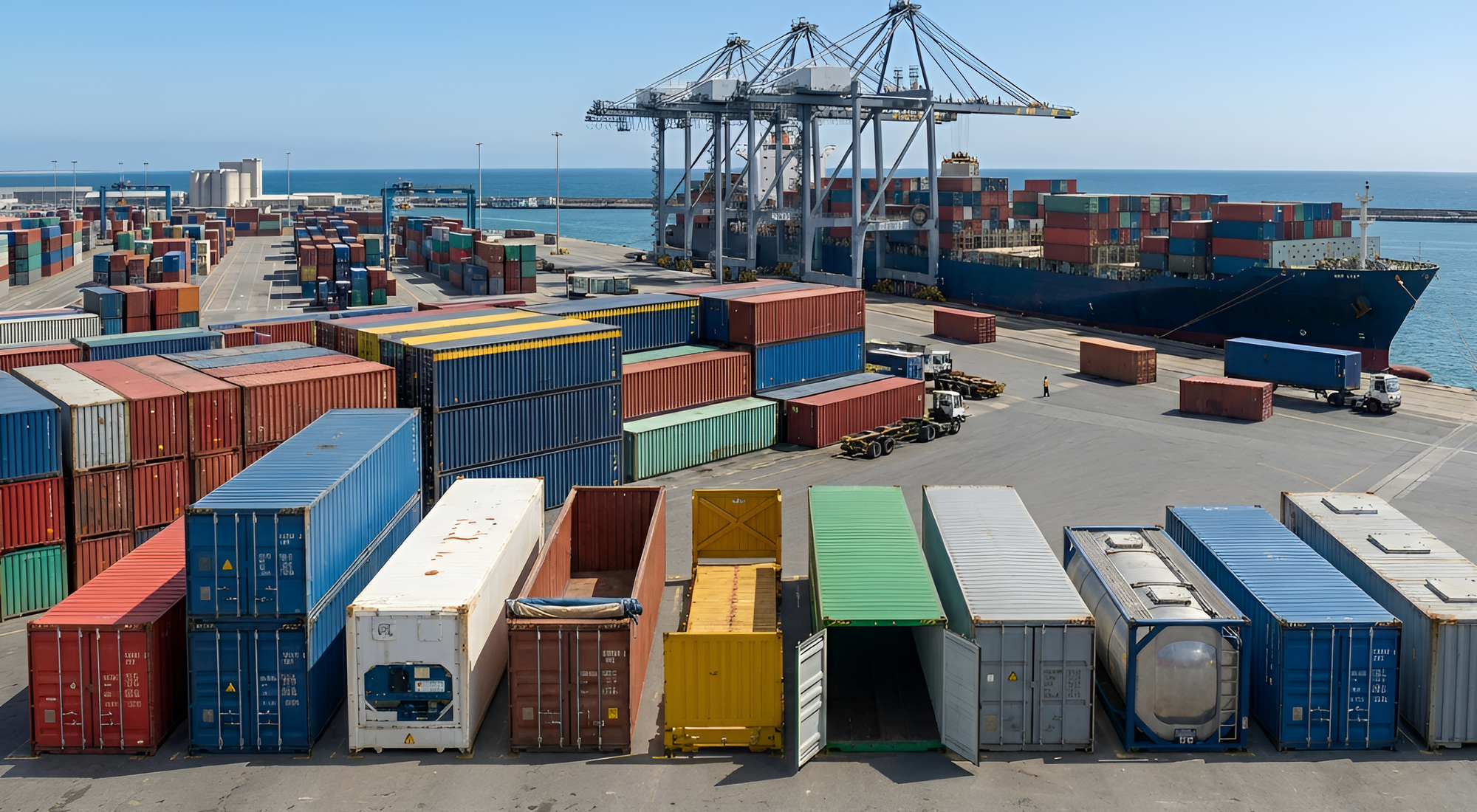
Do you know, about 90% of manufactured goods and over 80% of all goods by volume are moved by shipping containers. Before containers existed, shipping was chaotic and expensive. Goods came in boxes of different sizes and shapes—sacks, barrels, wooden crates, boxes. Everything had to be manually loaded and unloaded by dock workers. One ship could take 3+ weeks just to be unloaded.
In 1955, an American truck driver and entrepreneur named Malcolm McLean created the first metal box that can be lifted directly from the truck onto the ship without opening it. Later, the First Container Ship The SS Ideal-X left Newark, New Jersey for Houston, Texas carrying just 58 containers. This maiden voyage seemed humble, but it changed the world forever.
- Unloading time reduced to 3 hours from 3 weeks
- Shipping cost became 25% cheaper
- Cargo damage reduced by 95%
- Labour efficiency increase from 50 t0 70%
There are 10+ types of shipping containers used in international and domestic trade. The most common are:
- Dry Container (General Purpose)
- High Cube Container (40ft HC)
- Reefer Container (Refrigerated)
- Open Top Container
- Flat Rack Container
- Open Side Container
- Ventilated Container
- Tank Container
- Insulated Container
- Half Height Container
1. DRY CONTAINER
The most common and affordable container you'll ever use. It's basically a sealed metal box with doors at the rear that you open to load or unload your cargo. It's weatherproof, secure, and works for almost anything that doesn't need temperature control or special handling. Whether you're sending electronics, textiles, furniture, or machinery, the dry container is your go-to option because it's reliable, cheap, and available everywhere in the world.
2. HIGH CUBE CONTAINER (40ft HC)
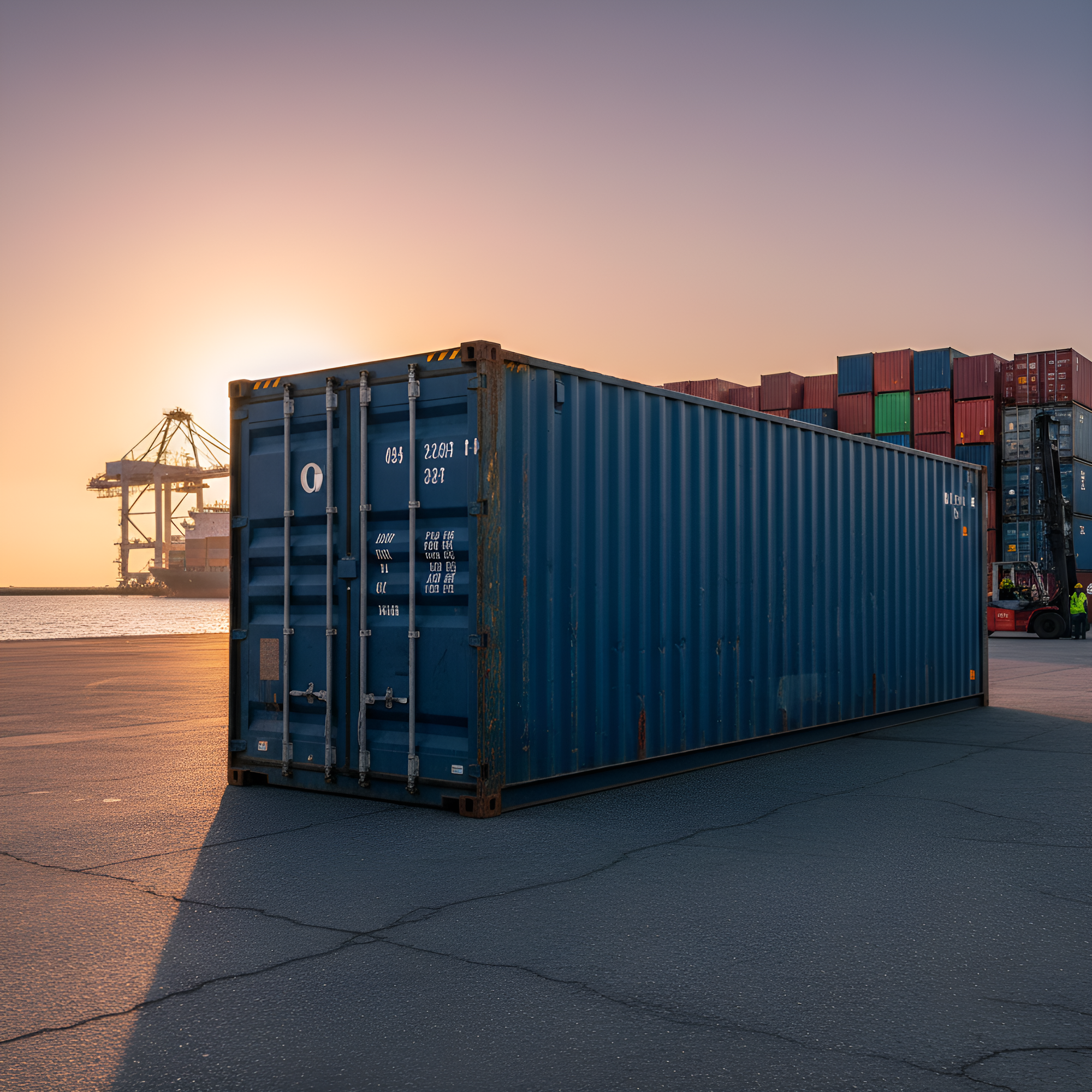
Its a regular 40ft container with one extra foot added to the height . This extra space doesn't weigh more or cost that much more, but it gives 13% more volume. This is perfect if you're shipping lightweight but bulky items like plastic furniture, textiles, or anything that takes up lots of space but weighs very little. It's basically the same container, just one foot taller.
3. REEFER CONTAINER (Refrigerated)
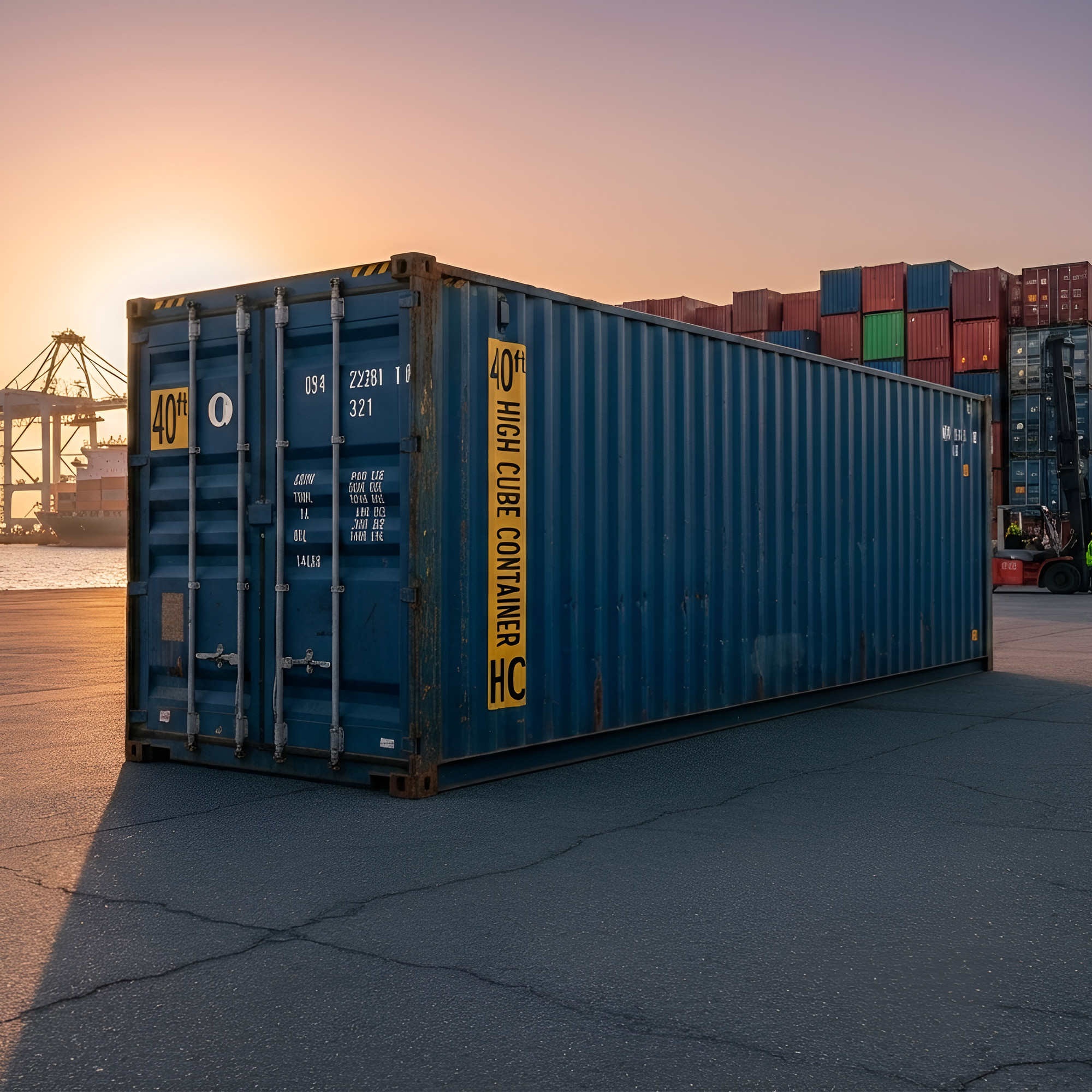
This is a container with a built-in air conditioning unit that keeps your cargo at a precise temperature (anywhere from -25°C to +25°C depending on your needs). The cooling system runs continuously whether your container is on a ship, at the port, or on a truck, which means it must be plugged into power at every stop. If you're exporting fresh fruit, frozen seafood, or anything that spoils easily, reefer is essential because it keeps your precious cargo fresh during the entire journey.
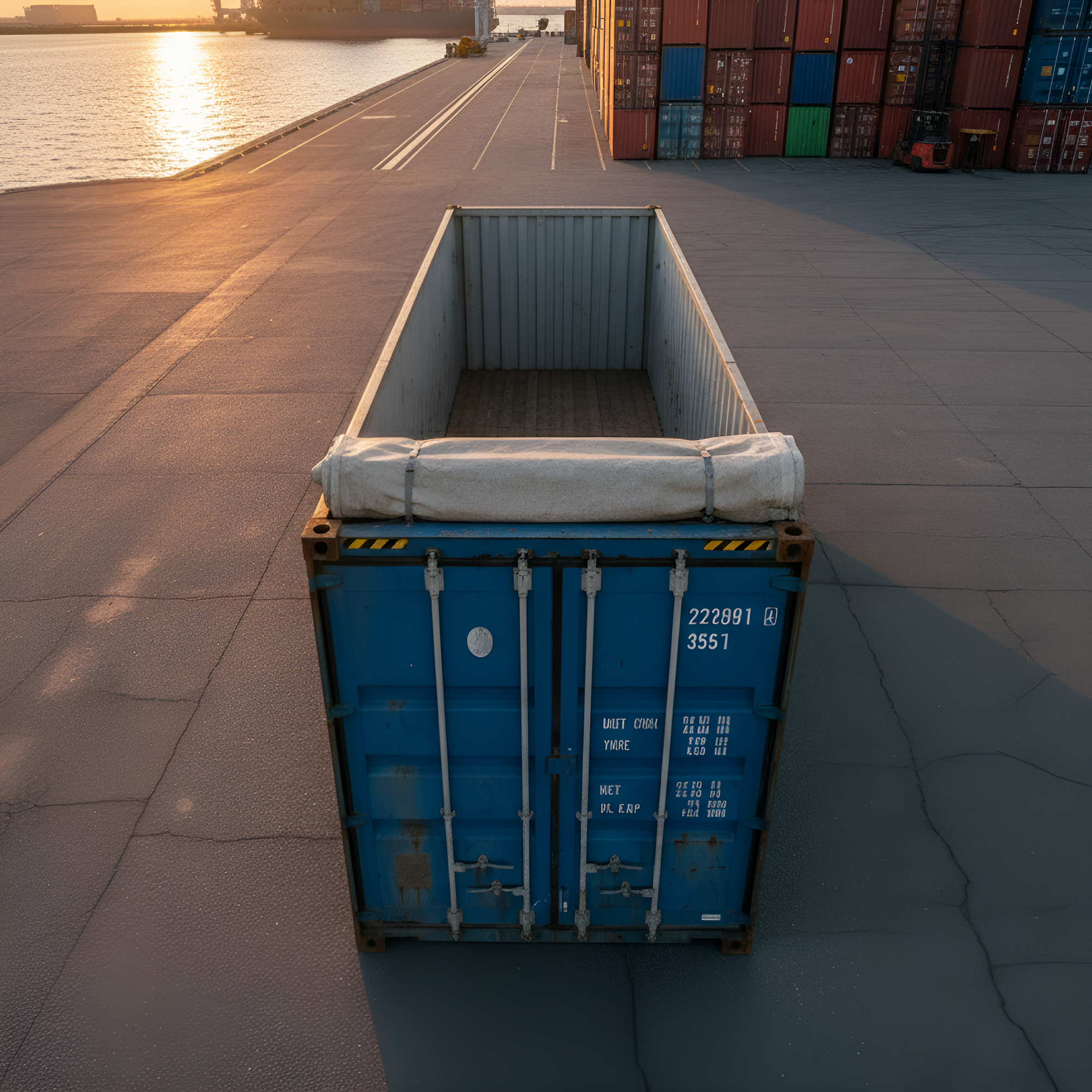
4. OPEN TOP CONTAINER
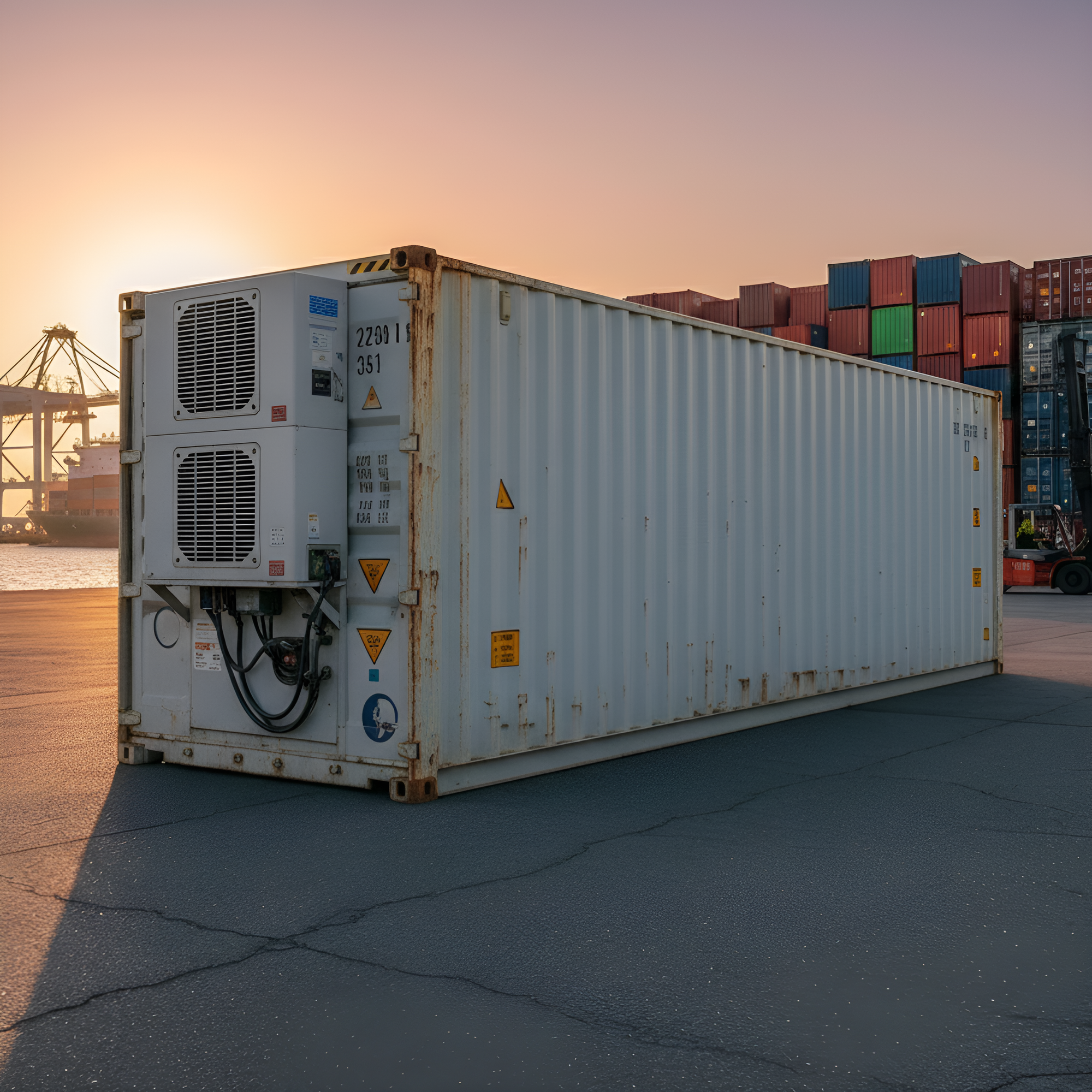
Its a normal dry container but with no roof and with a removable tarpaulin cover. This container is designed for cargo that's either too tall to fit through standard doors or too heavy to lift through them. A massive crane lowers your cargo (like a steel beam or turbine) into the container from above, and then the tarp covers it for weather protection during transit. It's used for oversized equipment, construction materials, or any project cargo that won't fit into a regular container.
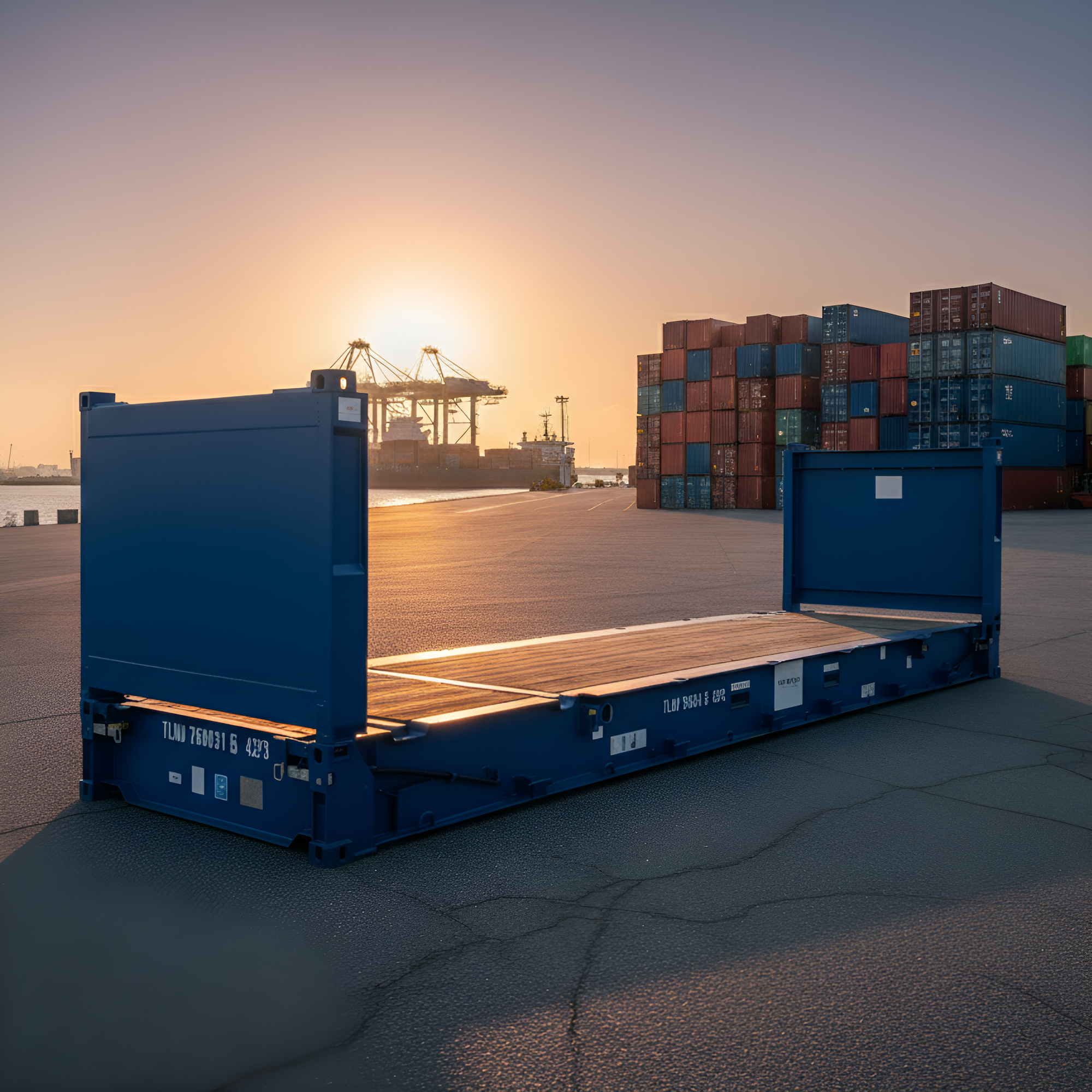
5. FLAT RACK CONTAINER
Its a dry container with collapsible walls. It's basically the minimum structure needed to secure and transport cargo. The platform has removable side walls that fold down, which is why it can be returned empty much cheaper than other containers. This container is specifically designed for extremely heavy cargo like bulldozers, large machinery, vehicles, or steel products that need heavy-duty support and don't fit anywhere else. The payload capacity is higher than regular containers (36,000kg vs 28,000kg) because there's less structure weight.
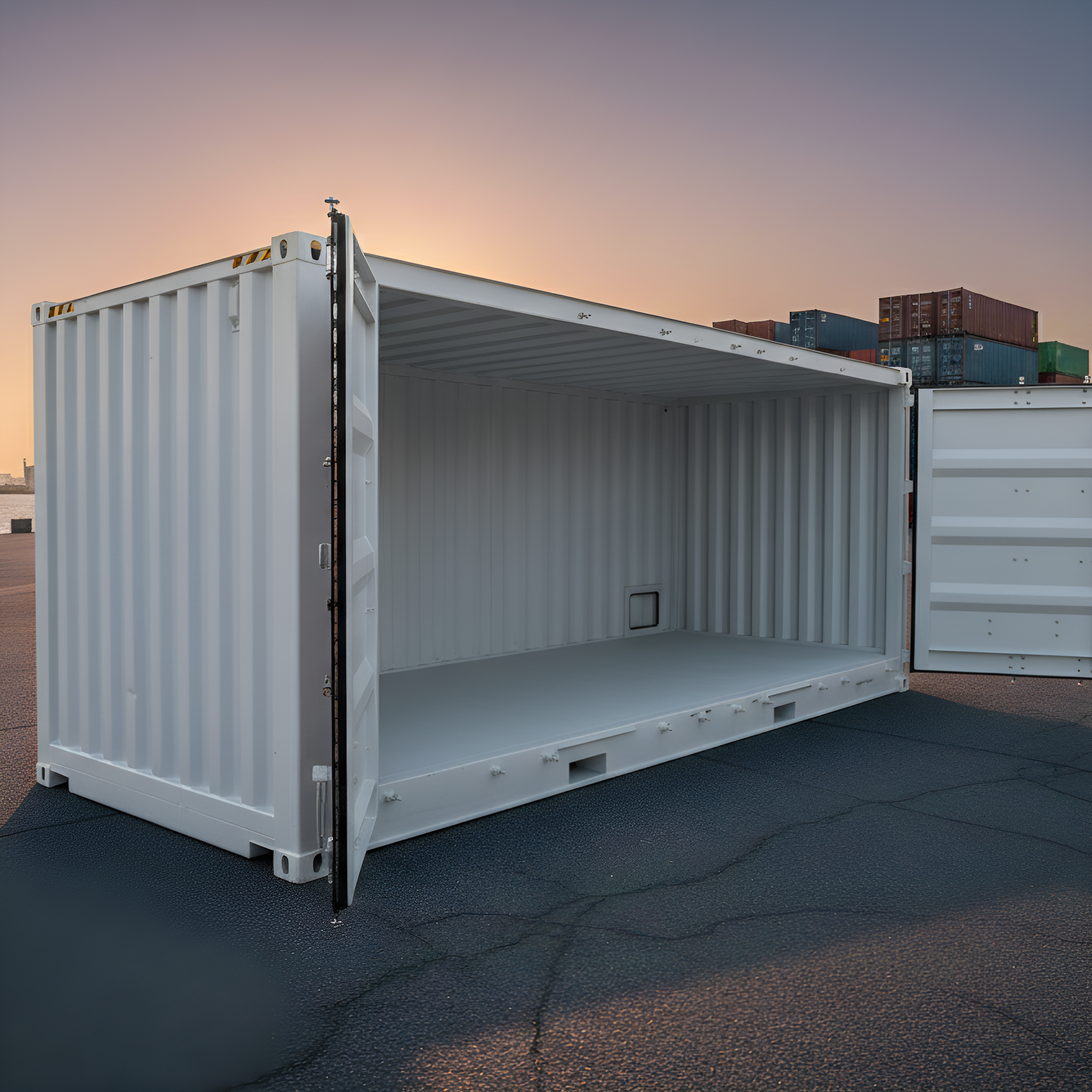
6. OPEN SIDE CONTAINER
This is a regular dry container but with one complete side panel that can be removed. This is very useful when you have lots of palletized cargo or goods that are easier to load from the side (instead of through the rear doors), this container lets forklifts drive directly inside from the side, making loading and unloading much faster. You get the same weatherproof protection as a normal container, but with the added flexibility of side access. It's slightly less common than dry containers but very useful in specific situations where loading speed is critical.
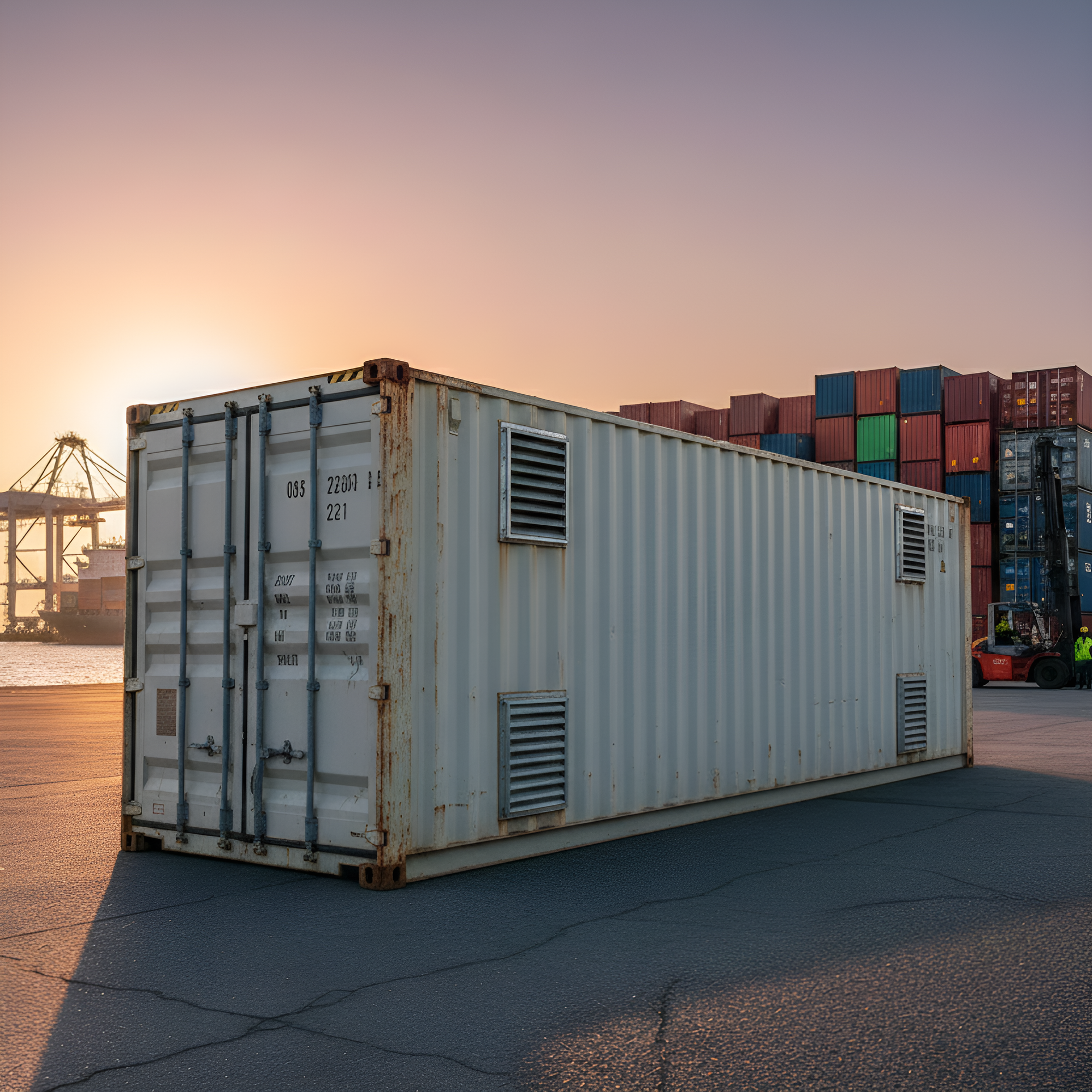
7. VENTILATED CONTAINER
This is a dry container with special air vents cut into the sides that allow air to naturally circulate inside without any active cooling or power requirement. It's designed for cargo like coffee beans, cocoa, cotton, or grains that can get damaged by moisture buildup or mold but don't need temperature control. It's cheaper than a reefer container because there's no cooling system, no power requirement, and no need for plugs at every stop. If your product needs to stay dry and get some air circulation but doesn't need active refrigeration, ventilated is a good option.
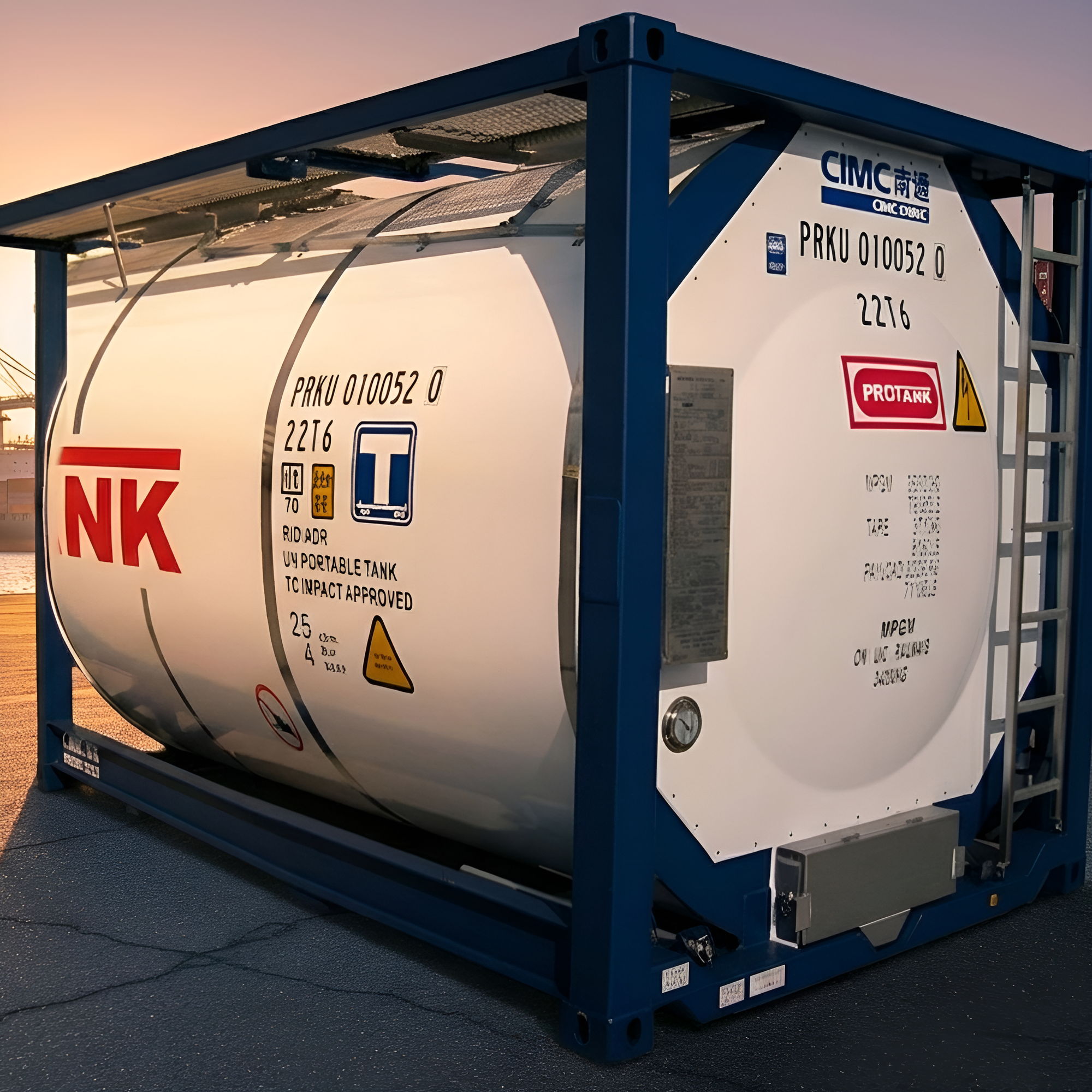
8. TANK CONTAINER
This is a specialized container that's basically a large tank built inside a steel frame, designed exclusively for transporting liquids. Instead of a box with doors, it has internal compartments with valves for top-loading and bottom-discharge of liquid cargo. You see these for transporting edible oils, chemicals, wine, milk, beverages, or any liquid that needs to move in bulk quantities. The tank can be food-grade stainless steel (for safe liquids like vegetable oil or juice) or industrial-grade steel (for chemicals or oils).
INSULATED CONTAINER
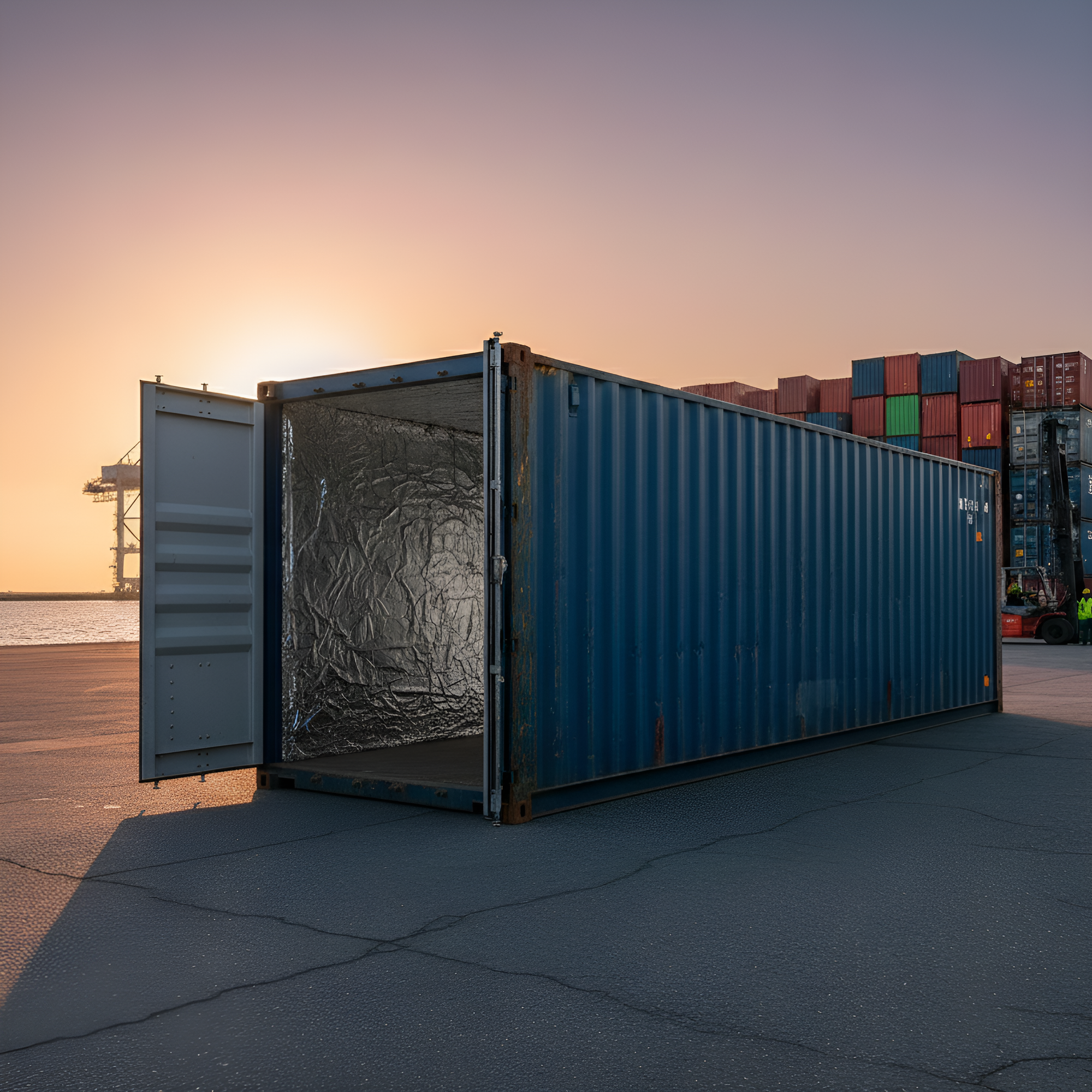
It's like a dry container but with thick foam insulation on the walls and ceiling to help maintain cooler temperatures without active refrigeration. Its like a hybrid between a dry container and a reefer container, it provides some thermal protection but doesn't cool anything. You can use it for short-distance perishables combined with dry ice or cooling gel packs, making it a budget alternative to reefer when you don't need continuous active cooling.
HALF-HEIGHT CONTAINER
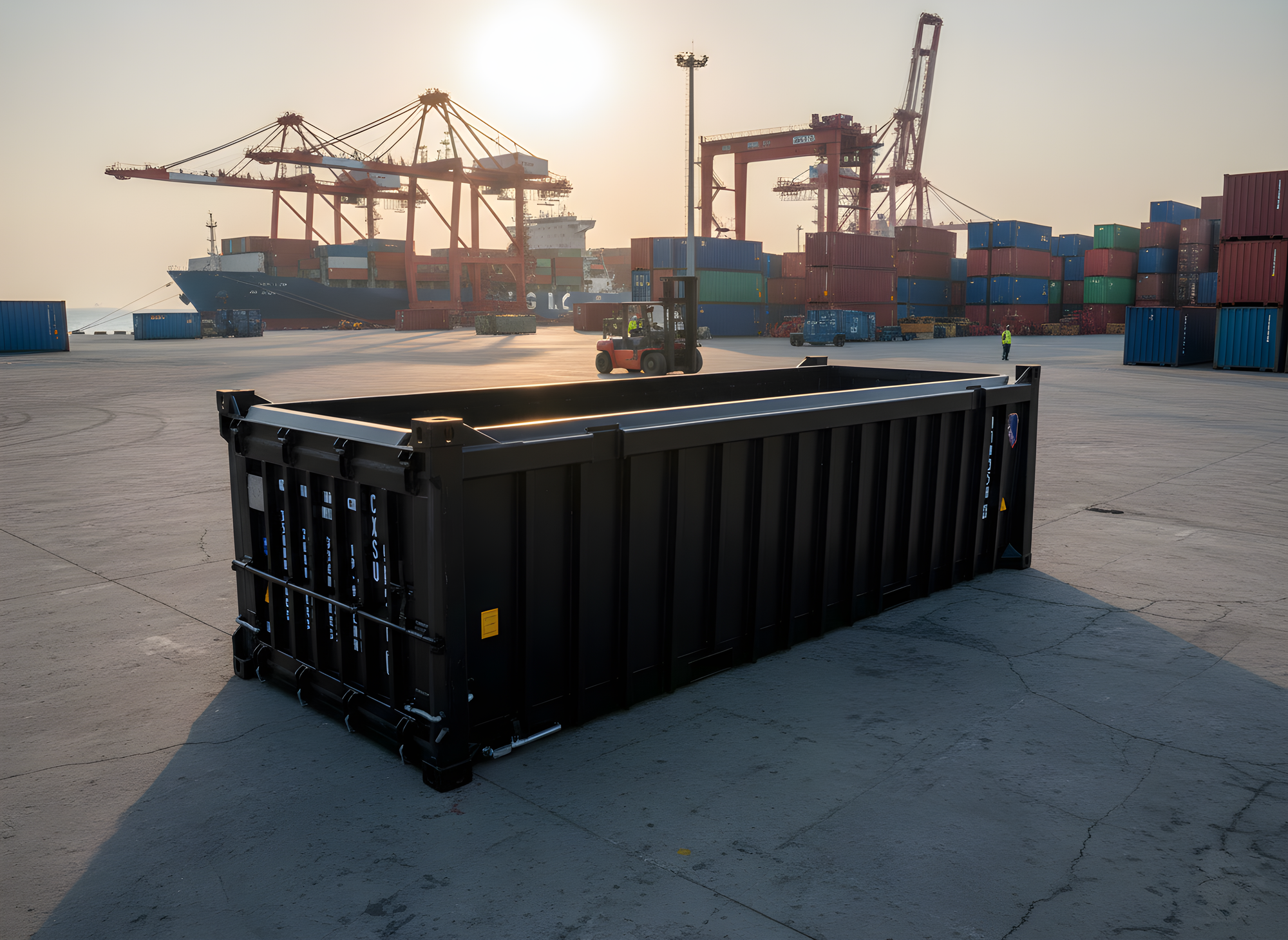
It is a container that's only 4-4.5 feet tall instead of the standard 8.5 feet tall. It's like a regular dry container that got cut in half vertically. This creates a squat, wide-but-short container. It can carry much heavier payloads because the weight is distributed lower, and it's ideal for heavy, dense cargo.
IMPORTANT CONTAINER SPECIFICATIONS TABLE
FREQUENTLY ASKED QUESTIONS (FAQ)
Q1: How many types of containers are there?
Answer: 10-15+ types depending on classification. Above mentioned types are mostly used
Q2: What are the most common container sizes?
Answer: 20-foot and 40-foot containers are standard. Also available: 10ft, 30ft, 45ft (rare). 40ft most popular because of better cost per CBM.
Q3: When should I use reefer vs ventilated vs insulated?
Answer:
- Reefer: Fresh/frozen food, pharmaceuticals (active cooling required)
- Ventilated: Coffee, cocoa, cotton (air circulation, no cooling)
- Insulated: Short-distance perishables (passive cooling, dry ice optional)
Q4: What's the difference between Open Top and Flat Rack?
Answer:
- Open Top: Container with no roof (crane loads from top). Better weather protection (tarpaulin covers).
- Flat Rack: Platform with collapsible walls (no weather protection). Can collapse walls for return.
Q5: Can I ship liquids in any container?
Answer: No. Liquids must use Tank Containers specifically designed for liquid transport. Cannot use dry, reefer, or other container types for liquids.
Simplify Your International Payments
Skip the complexity of traditional wire transfers with EximPe's smart payment solutions
Lightning Fast
Complete international transfers in hours, not days, with real-time tracking
Bank-Grade Security
Multi-layer encryption and compliance with international banking standards
Global Reach
Send payments to 180+ countries with competitive exchange rates
Why Choose EximPe for International Payments?
EximPe Support
How can we help you with your global payments today?
Stay Informed with EximPe News
Subscribe to our newsletter for the latest updates on import-export regulations, market trends, and exclusive insights from industry experts.